

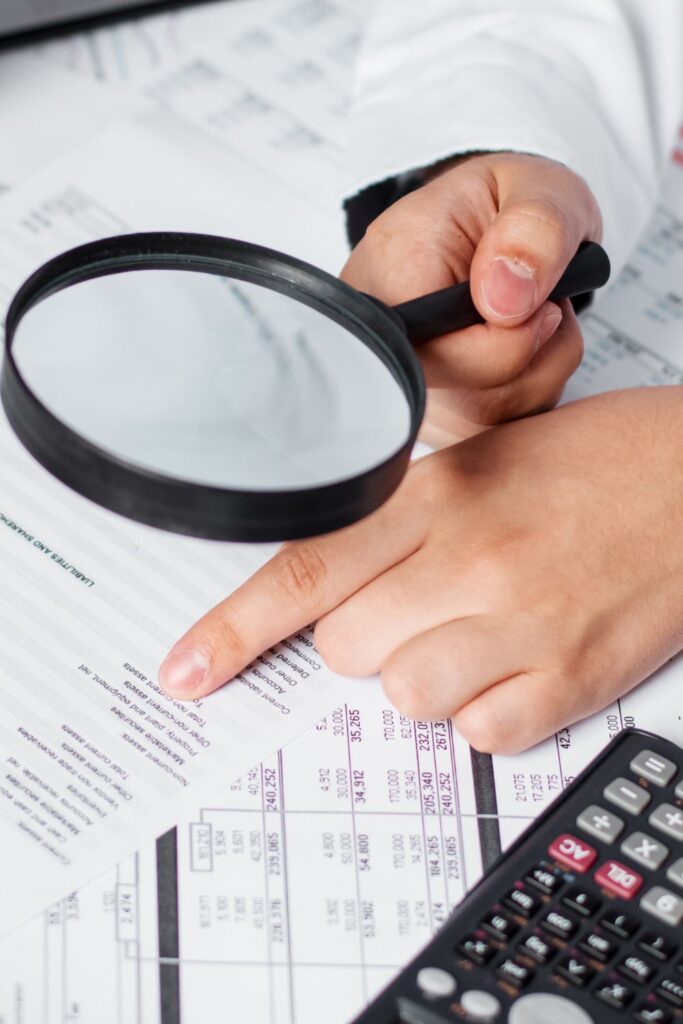
Tax accounting for small and medium-sized enterprises (SMEs) is far more than a simple record of a company’s tax obligations. It is a fundamental pillar of any country’s economic framework—a discipline that has evolved significantly over time to become an indispensable tool for the proper management of financial resources and compliance with tax regulations.
Understanding its history allows us to appreciate the complexity and importance of tax accounting today.
The Role of Tax Accounting in the Economy
Tax accounting acts as a compass within the economy, guiding businesses and governments in the proper administration of taxes and public resources.
Its impact on public finances is undeniable, contributing not only to efficient tax collection but also to sustained economic development by enabling governments to invest in infrastructure, education, and healthcare.
Fundamental Principles of Tax Accounting
At its core, tax accounting is built on fundamental principles such as transparency and accountability. These principles ensure that tax operations are clear and verifiable, fostering trust among citizens and tax authorities alike.
Uniformity and consistency are equally crucial, ensuring that tax rules are applied fairly and equally across all entities.
The Tax Accounting Cycle
The tax accounting cycle begins with the meticulous recording of tax-related transactions—a task that requires precision and in-depth knowledge of current regulations.
This recordkeeping forms the foundation for the preparation of tax financial statements, which reflect the entity’s tax position and are essential for informed decision-making.
Differences between Financial Accounting and Tax Accounting
Although financial accounting and tax accounting may appear similar, their objectives and approaches differ. Financial accounting focuses on providing useful information for economic decision-making, while tax accounting is centered on compliance with tax regulations.
Additionally, the regulations governing each type of accounting often differ, as they are designed to meet the specific needs of each area.
The Importance of Tax Auditing
Tax auditing plays a crucial role in preventing fraud and tax evasion. Through thorough reviews, tax auditors ensure that entities comply with all tax obligations, helping to avoid penalties and reputational damage.
Furthermore, tax auditing promotes legal compliance, protecting companies from potential negative consequences.

The Role of Technology in Tax Accounting
Technology has revolutionized tax accounting by automating processes that were once manual and prone to error. The use of specialized software allows for more efficient and accurate handling of tax transactions, reducing the risk of errors and facilitating regulatory compliance.
Technology has also opened the door to new ways of analyzing and reporting tax data, improving decision-making processes.
Challenges in Implementing Tax Accounting
Implementing tax accounting for SMEs is not without challenges. One of the main difficulties lies in interpreting complex tax regulations, which can vary significantly across jurisdictions.
Additionally, the constant evolution of tax laws requires businesses to continuously adapt, demanding ongoing training and updates.
Benefits of Efficient Tax Accounting
Well-managed tax accounting for SMEs offers numerous benefits, including optimized tax planning. This can lead to a significant reduction in the tax burden within the legal framework, allowing companies to reinvest in their growth.
Efficient tax accounting also reduces legal risks and potential penalties, protecting businesses from costly disputes and unfavorable audits.
The Role of the Tax Accountant
The tax accountant is an essential figure in any organization, responsible for managing complex tax regulations and ensuring compliance. To perform this role effectively, the accountant must possess extensive knowledge of tax laws and strong analytical skills. Their responsibilities include preparing tax returns, advising on tax planning, and representing the company before tax authorities.
Relationship Between Tax Accounting and Tax Policy
Tax accounting for SMEs and tax policy are intrinsically linked. Government fiscal decisions directly impact business accounting, forcing companies to adjust their accounting strategies to comply with new regulations.
Changes in tax legislation can significantly affect a company’s tax burden, highlighting the importance of proactive and well-informed tax planning.
Tax Accounting in Small and Medium-Sized Enterprises
For SMEs, tax accounting is especially critical. These businesses—often operating with limited resources—face unique challenges in managing their tax obligations.
However, by implementing sound accounting practices and working with qualified professionals such as GADAX, SMEs can ensure long-term sustainability and growth while avoiding tax issues that could threaten their existence.
The Future of Tax Accounting
The future of tax accounting will be shaped by emerging trends such as digitalization and globalization. Digital transformation continues to change how businesses manage tax transactions, while globalization introduces new challenges related to international compliance.
Adapting to these changes will be essential for companies seeking to remain competitive in an increasingly complex tax environment.
International Tax Accounting
International tax accounting presents unique challenges, as companies must comply with tax regulations across multiple jurisdictions. Proper management of international taxes is crucial to avoid double taxation and to maximize available tax benefits.
This area requires deep knowledge of global tax laws and the ability to navigate a constantly evolving legal landscape.
Ethics in Tax Accounting
Ethics is a fundamental component of tax accounting practice. Tax accountants often face ethical dilemmas that require balancing corporate interests with legal compliance.
Maintaining professional integrity and ethical conduct not only protects the company from legal issues but also strengthens its reputation with clients and authorities.
Training and Professional Development in Tax Accounting
Given the complexity and constant evolution of the tax environment, continuous training is essential for tax accounting professionals. Numerous specialized training programs and certifications help accountants stay up to date and enhance their skills. Investing in professional development benefits both the individual and the organization by ensuring highly qualified personnel manage tax matters effectively.
Impact of Tax Accounting on Corporate Social Responsibility
Tax accounting also plays a role in Corporate Social Responsibility (CSR). By ensuring tax compliance, companies contribute to societal well-being by funding public services and community projects.
Common Errors in Tax Accounting
Errors in tax accounting can have serious consequences, ranging from financial penalties to reputational damage. Common mistakes include misclassifying income and expenses, failing to apply valid tax deductions, and filing tax returns late. Identifying and correcting these errors promptly is essential to avoid more severe problems in the future.
Conclusion: The Value of Well-Managed Tax Accounting .
In summary, tax accounting is essential to the financial health of any company and to the proper functioning of the economy as a whole. Well-managed tax accounting ensures legal compliance, optimizes resources, and minimizes the risk of penalties. In an increasingly complex and globalized tax environment, having a solid tax strategy is more important than ever. Ultimately, tax accounting is not just about numbers and rules—it is a powerful tool that can determine long-term success or failure.
Frequently Asked Questions (FAQs)
- FAQs
Tax accounting is a branch of accounting focused on recording, analyzing, and controlling an entity’s tax obligations. Its primary objective is to ensure compliance with current tax regulations and the accurate filing of tax returns.
- Examples of tax accounting
Common examples include calculating and recording Income Tax (ISR) at the end of the fiscal year, as well as declaring and paying Value Added Tax (VAT) on commercial transactions.
- What is the objective of tax accounting?
The main objective is to ensure compliance with all tax obligations in accordance with applicable tax laws, including timely filing of returns, tax payments, and legal tax optimization strategies.
- Why is tax accounting important?
Tax accounting is vital for business sustainability, as it ensures compliance, minimizes penalties, enables efficient tax planning, and supports better financial resource management.
- What are the characteristics of tax accounting?
Key characteristics include accurate recordkeeping, transparency, adaptability to regulatory changes, and the ability to anticipate and mitigate tax risks.
- What is the importance of tax accounting?
Its importance lies in protecting businesses from legal penalties, optimizing resources, and contributing to overall economic development—making it essential for long-term success, especially in a globalized economy.



 EN
EN  ES
ES